Water Transit Strategic Plan
What is the Water Transit Strategic Plan?
The Water Transit Strategic Plan is Baltimore’s updated vision for the future of maritime activities in our city. Building on the 2015 plan, this new strategy looks ahead over the next decade to guide investments in water transit, ensure proper maintenance of our maritime infrastructure, and support the continued operation of the Harbormaster Office.
Will the public have an opportunity to comment on the plan?
Yes, a hybrid public meeting is being held on Jan. 21 from 6-7:30 p.m. at Frederick Douglass-Isaac Myers Maritime Park, 1417 Thames Street, Baltimore, MD, 21231. The public meeting will also have a virtual component via the following Webex link: https://bmore.webex.com/bmore/j.php?MTID=m389934c41b9ff6b8e7ccd3e4ee113ee2(External link)
The access code for the meeting is 2346 662 7454.
The password for the meeting is 93tYuVASGG3.
Recommendations can be found here: https://streetsofbaltimore.com/watertransit/news_feed/news
Why is this project important?
Baltimore’s harbor is one of our city’s greatest assets. Water transit offers a unique opportunity to move people efficiently, reduce roadway congestion, and provide residents and visitors with safe and reliable transportation options. By strengthening our maritime infrastructure, we are also supporting economic growth, environmental sustainability, and long-term resilience for waterfront communities.
What’s next?
The draft plan is being finalized and will be reviewed by City leadership before moving forward into implementation. Once approved, the Strategic Plan will serve as the guiding document for the next decade of water transit improvements and maritime services in Baltimore.
Does the Water Transit Strategic Plan consider new Harbor Connector ferry landing locations at sites such as Fells Point and Harborplace?
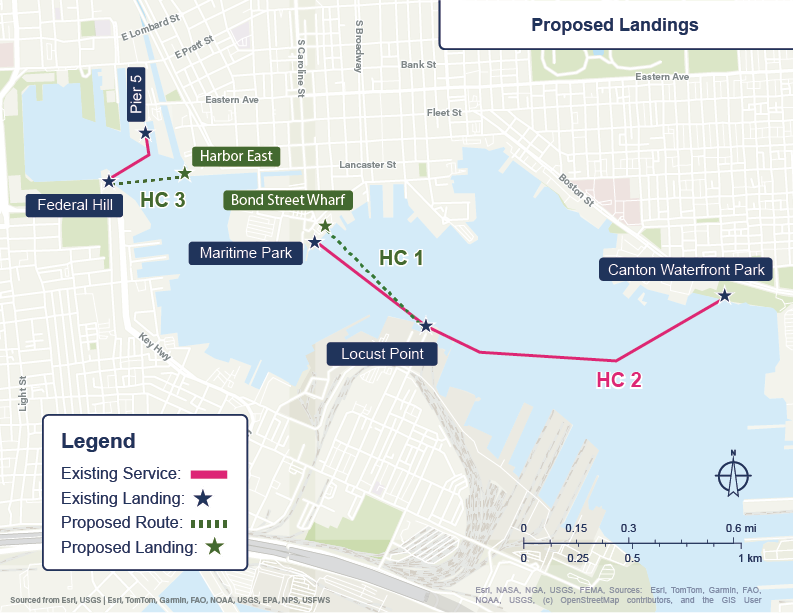
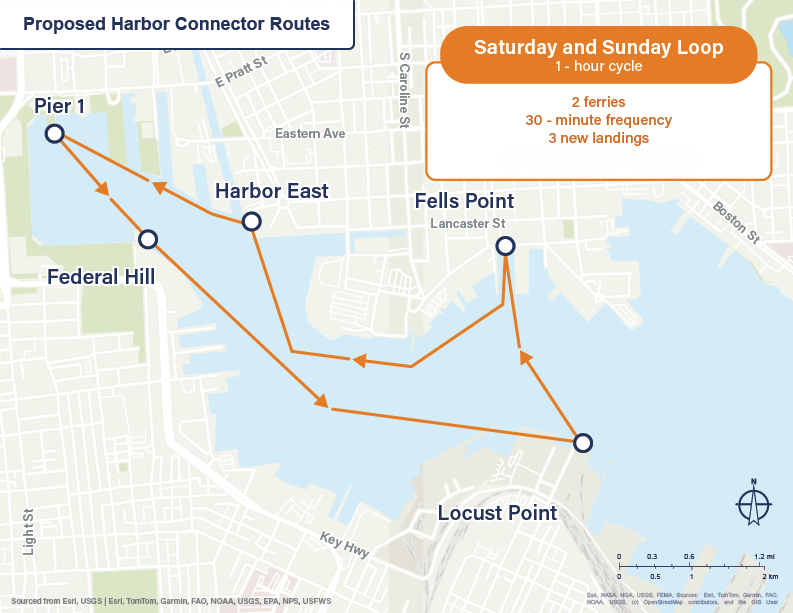
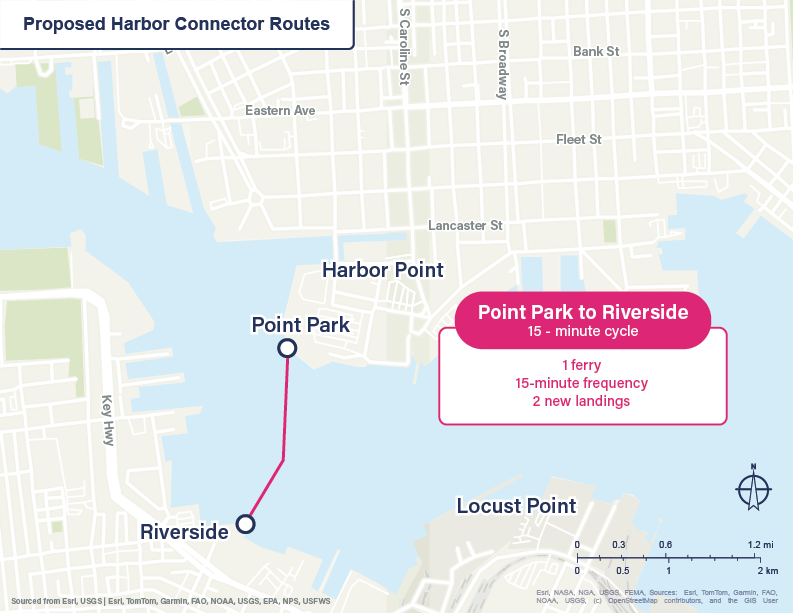
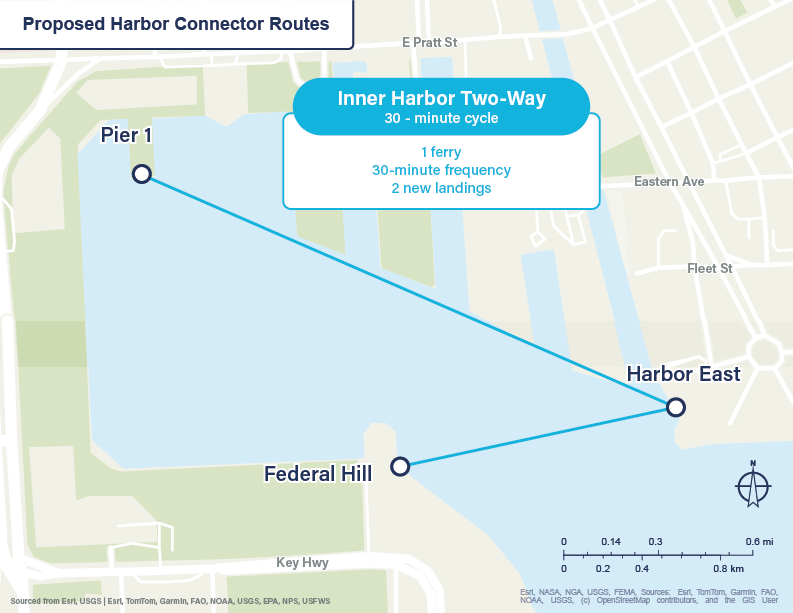
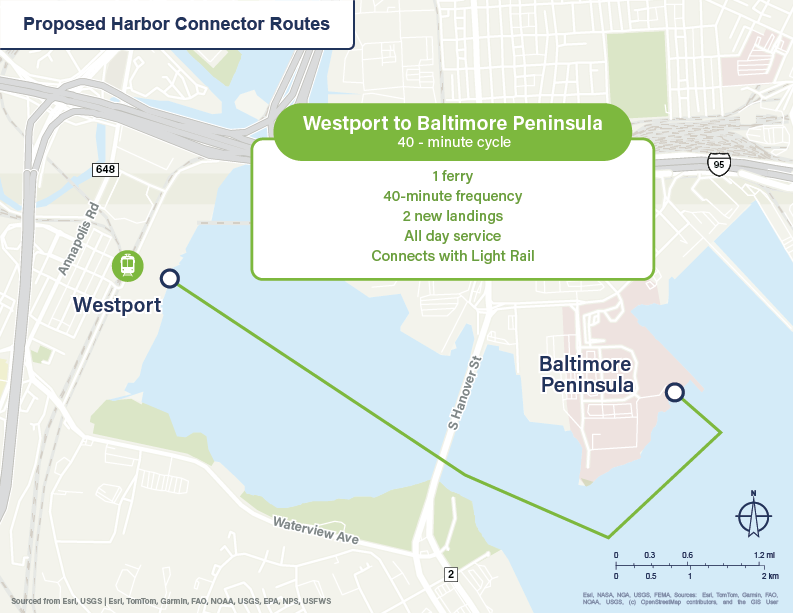
The Water Transit Strategic Plan considers the possibility of adding new landings at various locations throughout the Baltimore Harbor. Among the new locations considered are Harborplace, Fells Point, Riverside, Harbor Point, Baltimore Peninsula and Westport.
Is Baltimore City working with the Chesapeake Bay Passenger Ferry Feasibility Consortium?
Baltimore City DOT has had preliminary conversations with representatives from Anne Arundel County regarding this project, and we continue to have discussions about Baltimore City’s role as the project evolves.
Will the Harbor Connector ever operate on weekends?
The Water Transit Strategic Plan considers the possibility of providing Harbor Connector service on weekends. As a pilot project, Baltimore City DOT, in collaboration with the Waterfront Partnership and Baltimore Development Corporation, ran weekend service on Dec. 6-7 and Dec. 13-14, which attracted over 3,000 riders.
Are there plans to expand the Harbor Connector beyond the Northwest Branch of the Patapsco to areas such as Baltimore Peninsula, Westport or Cherry Hill?
The Water Transit Strategic Plan considers ways that Baltimore’s Harbor Connector could be expanded to areas within the Middle Branch of the Patapsco River. Considerations for this type of service include the need for dredging within the Middle Branch to areas such as Cherry Hill or Westport. Choppier water conditions past Ft. McHenry would likely mean service operating in the water past Ft. McHenry would require a heartier ferry boat than what the Harbor Connector fleet currently has. Future expansions would be dependent on funding and additional study.
-
Updated Proposed Harbor Connector Schedule
Share Updated Proposed Harbor Connector Schedule on Facebook Share Updated Proposed Harbor Connector Schedule on X (formerly Twitter) Share Updated Proposed Harbor Connector Schedule on Linkedin Email Updated Proposed Harbor Connector Schedule linkIn response to public feedback regarding the Water Transit Strategic Plan and the adjustments of the Harbor Connector schedule, we are now proposing:
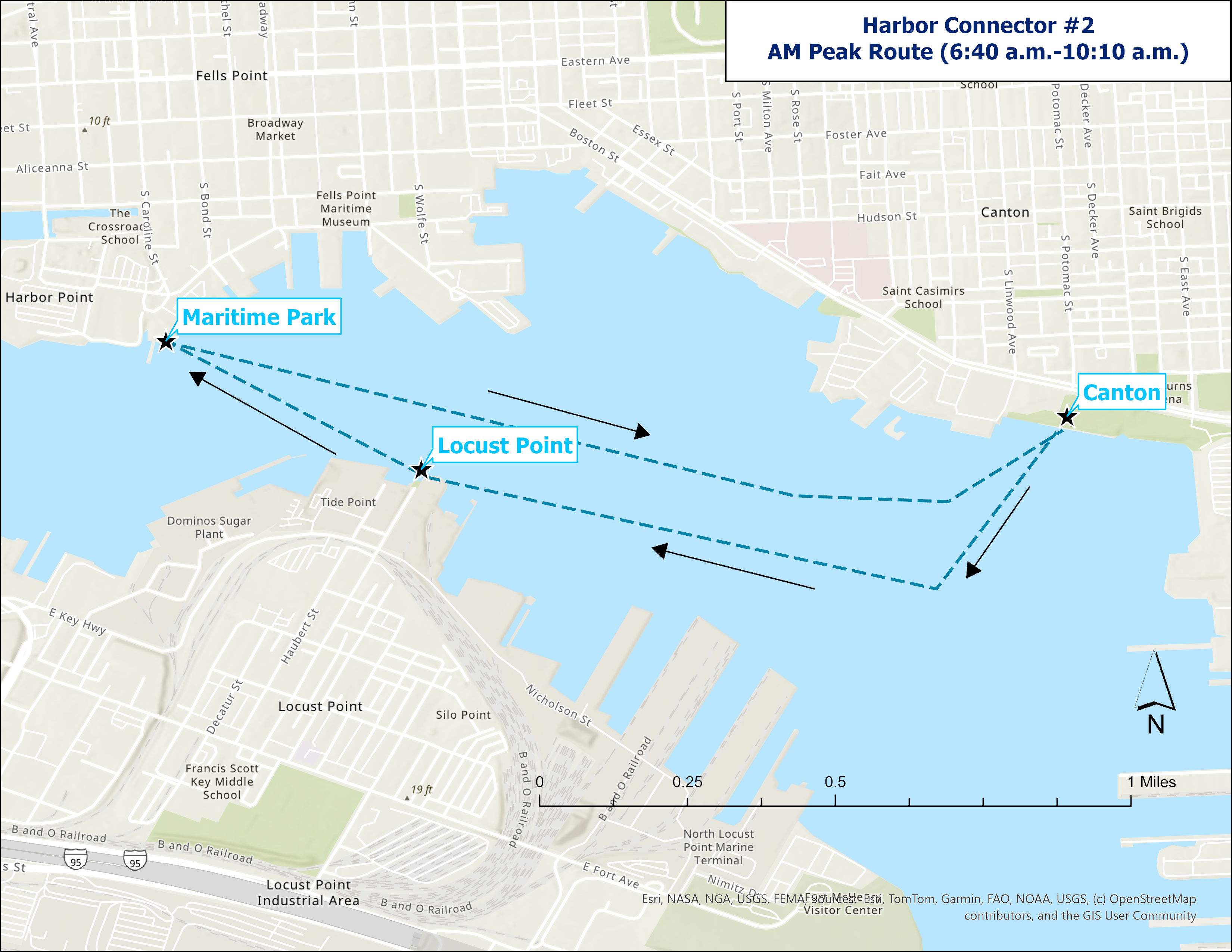
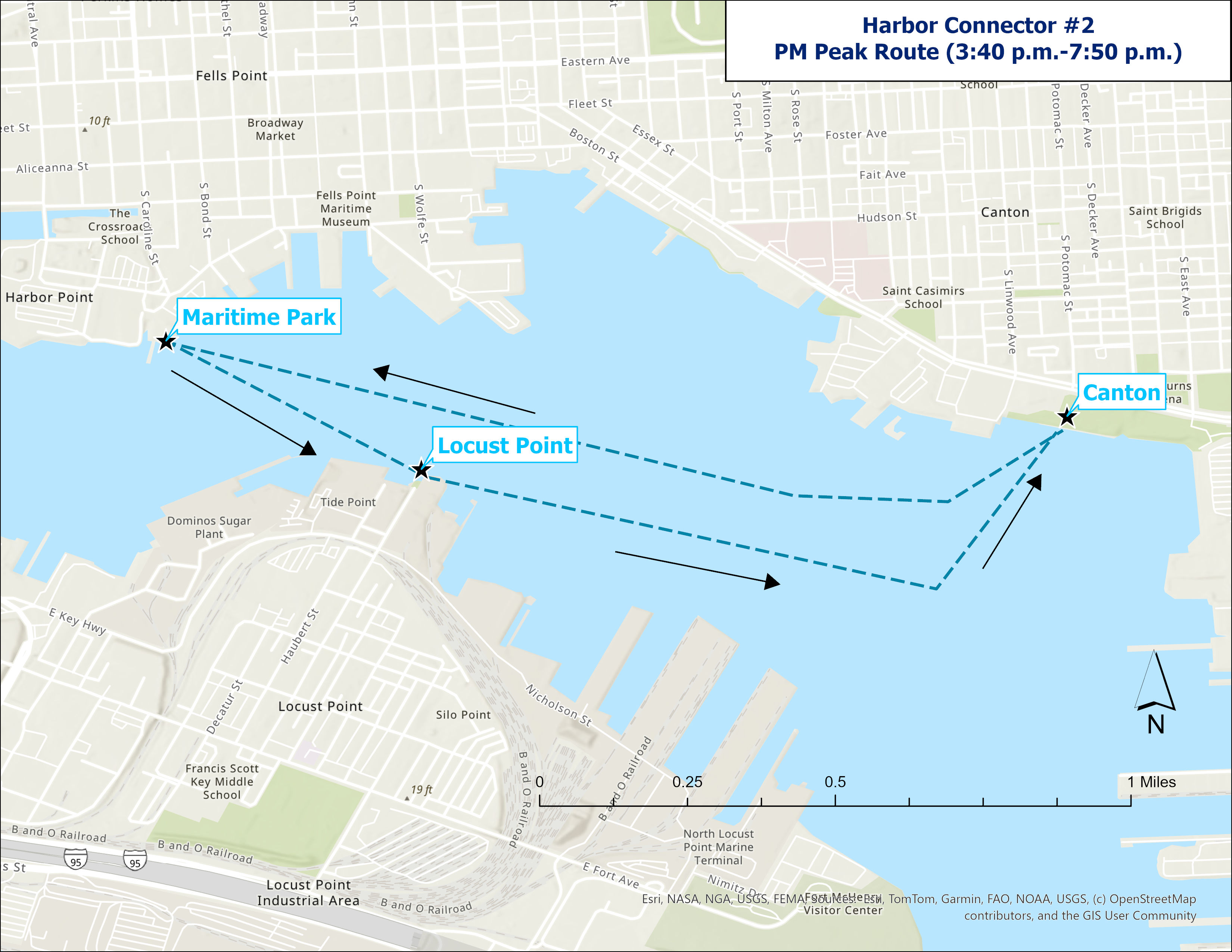
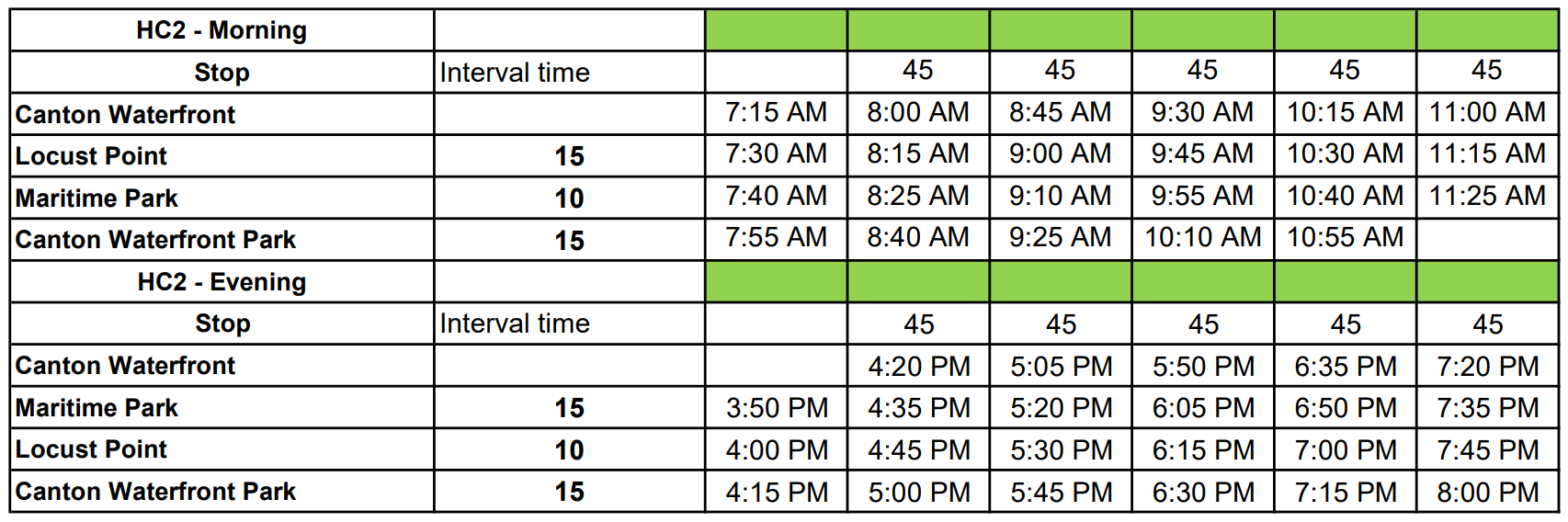
- Harbor Connector Route 2 to have weekday service from 7:15 to 11:25 a.m. and 3:50 p.m. to 8 p.m. between Canton, Locust Point, and Maritime Park (see schedule below)
- Harbor Connector Route 3 to have weekday service from 7:00 a.m. to 8:00 p.m.
- Harbor Connector Route 1 will be unchanged
These changes are proposed to take effect March 2, 2026.
- Harbor Connector Route 2 to have weekday service from 7:15 to 11:25 a.m. and 3:50 p.m. to 8 p.m. between Canton, Locust Point, and Maritime Park (see schedule below)
-
Water Transit Strategic Plan Public Meeting
Share Water Transit Strategic Plan Public Meeting on Facebook Share Water Transit Strategic Plan Public Meeting on X (formerly Twitter) Share Water Transit Strategic Plan Public Meeting on Linkedin Email Water Transit Strategic Plan Public Meeting link
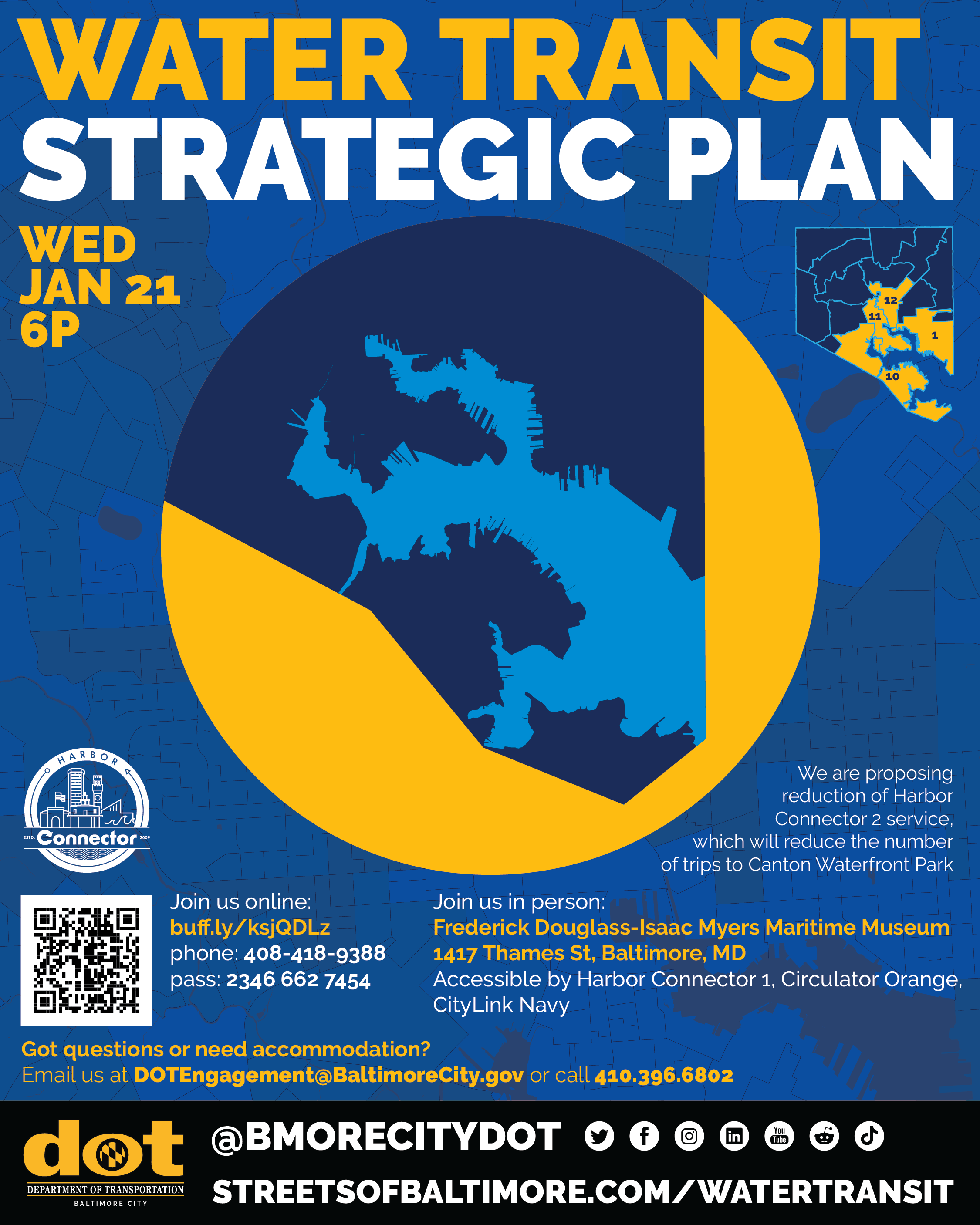
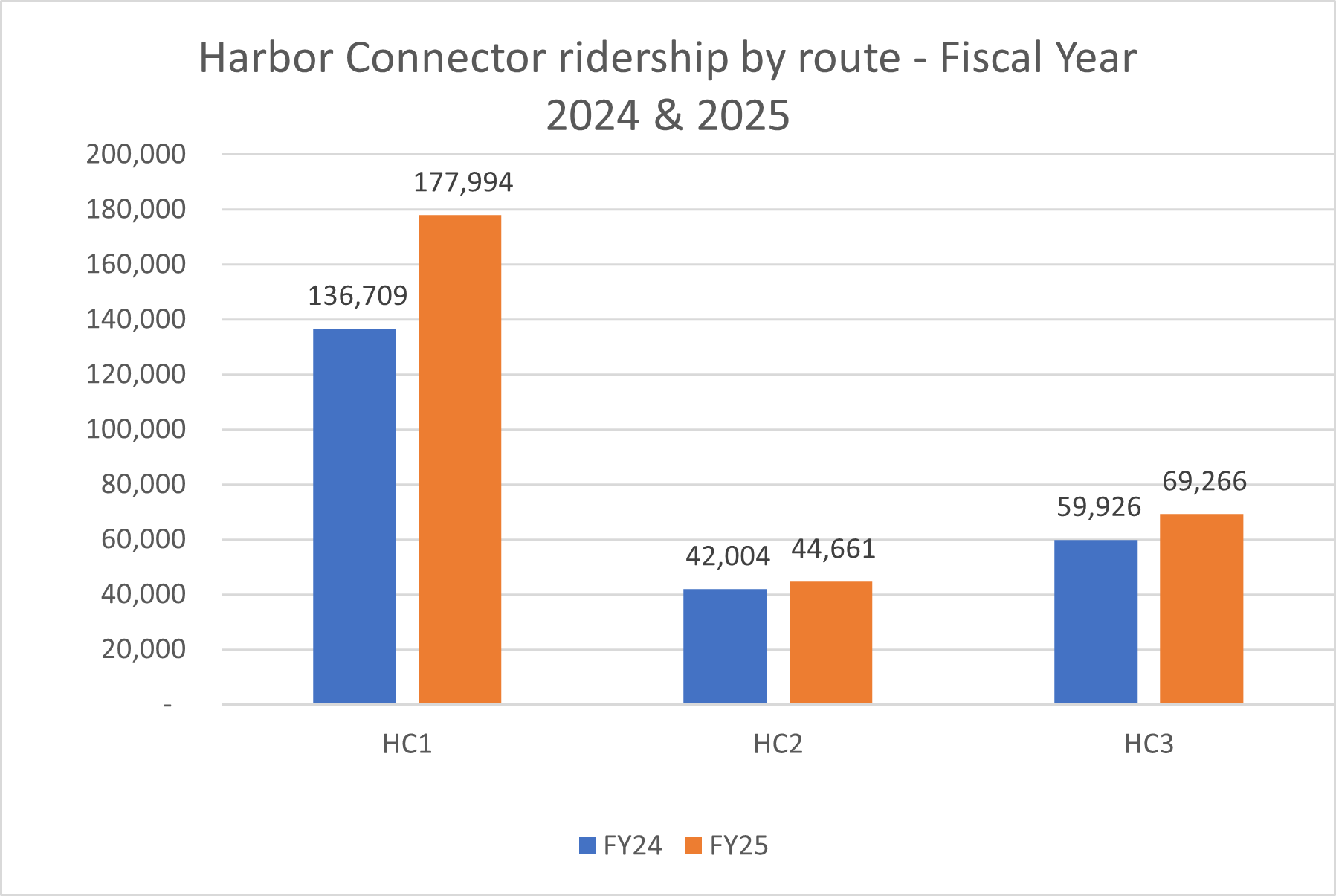
In 2015, we created a Water Transit Strategic Plan to set a vision for marine activity in and around the Inner Harbor. The 2015 plan studied the free, city-run Harbor Connector ferry service and the Harbormaster Office. In Spring 2025, BCDOT began working to update the plan. The project team studied ridership on each of the Harbor Connector’s three routes, as well as changes in employment and residential locations in order to formulate recommendations for the ferry service. BCDOT also formed stakeholder and steering committees – composed of other city agencies and parties with an active role in maritime activityContinue reading
-
Water Transit Strategic Plan Recommendations
Share Water Transit Strategic Plan Recommendations on Facebook Share Water Transit Strategic Plan Recommendations on X (formerly Twitter) Share Water Transit Strategic Plan Recommendations on Linkedin Email Water Transit Strategic Plan Recommendations link
BCDOT Water Transit Strategic Plan public meeting announcement and update
In 2015, we created a Water Transit Strategic Plan to set a vision for maritime activity in and around the Inner Harbor. The 2015 plan studied the free, city-run Harbor Connector ferry service and the Harbormaster Office. In Spring 2025, we began working to update the plan. The project team studied ridership on each of the Harbor Connector’s three routes, as well as changes in employment and residential locations in order to formulate recommendations for the ferry service. BCDOT also formed stakeholder and steering committees – composed of other cityContinue reading